Sintered metal fiber felt
The finest rating with the highest dirt holding
- Filtration rating: 0.5 – 50 μm
Industries
Long runs between turnarounds and streams that attack stainless steel, with catalyst that has to be caught and recovered rather than lost.
Systems and Equipment
The system this duty belongs to, and the filter positions we are asked to quote in it.
Systems and equipment Refining and chemical units · natural gas and amine treating · oilfield lines
Final filtration of petroleum products
Acid, alkali, alcohol and organic solvent filtration
Coker gas oil and hydrocracker recycle oil
Fuel gas and lubricating oil · compressor and turbine protection
Precious-metal catalyst filtration and recovery
Amine sweetening · drilling-mud screens and frac-fluid filtration
Media
Sintered fiber felt where the catalyst is fine · sintered wire mesh for amine and solvent duty under high ΔP · woven wire mesh for screens and protection layers
The finest rating with the highest dirt holding
Rigid duty: backwash, pulse-jet, high ΔP
Coarser ratings, and the support layers of the two beside it
Elements
The elements in the range whose own pages name this duty.
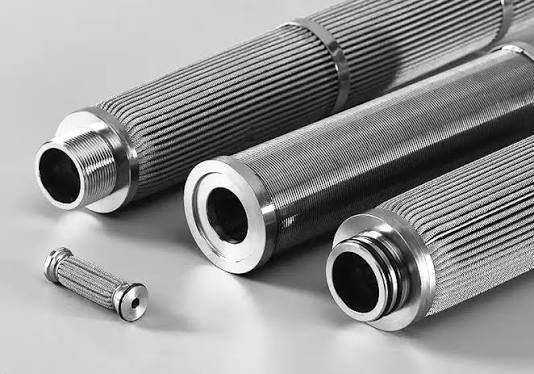
Sintered Metal Felt
A sintered metal fiber felt element formed to your drawing — pleated cartridge, cylinder, disc or a custom shape, rated 0.5–50 μm and washed…
| Filtration rating | 0.5 – 50 μm |
|---|---|
| Media | Sintered metal fiber felt |
| Form | To drawing — pleated cartridge, cylinder, disc, or custom shape. |
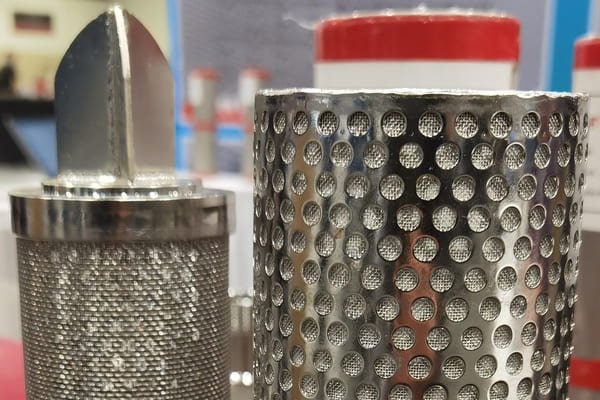
Sintered Wire Mesh
A sintered wire mesh element built to your drawing — cylinder, disc or custom shape — with the layer stack sized for the duty,…
| Filtration rating | 1 – 200 μm |
|---|---|
| Media | Multi-layer sintered wire mesh |
| Form | To drawing — cylinder, disc or custom shape |
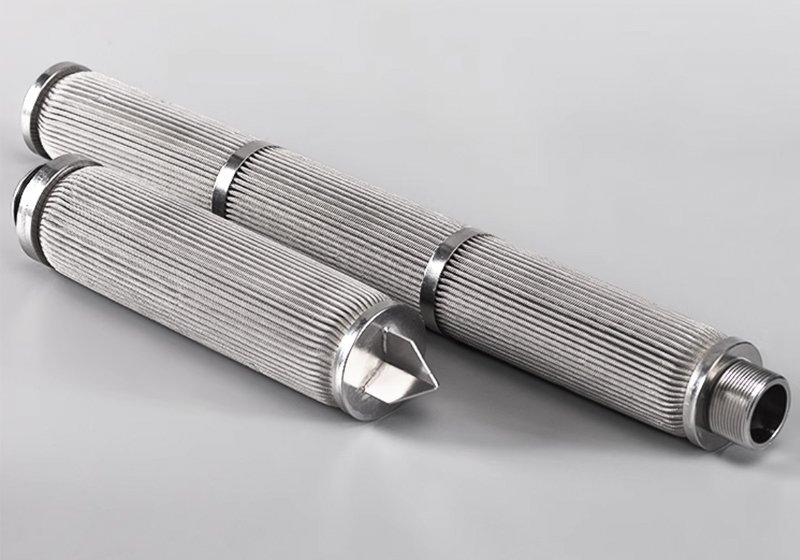
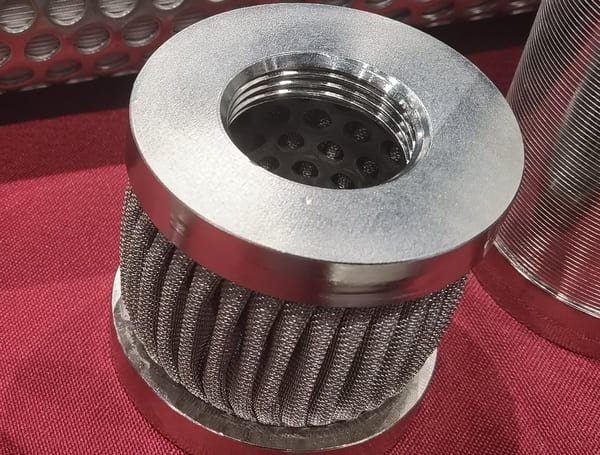
Sintered Metal Felt
A pleated sintered metal fiber felt cartridge, 0.5–50 μm, welded to your drawing and washable — built for fine-duty filtration up to 600 °C.
| Filtration rating | 0.5 – 50 μm |
|---|---|
| Media | Sintered metal fiber felt |
| Form | Pleated cartridge · cylinder |
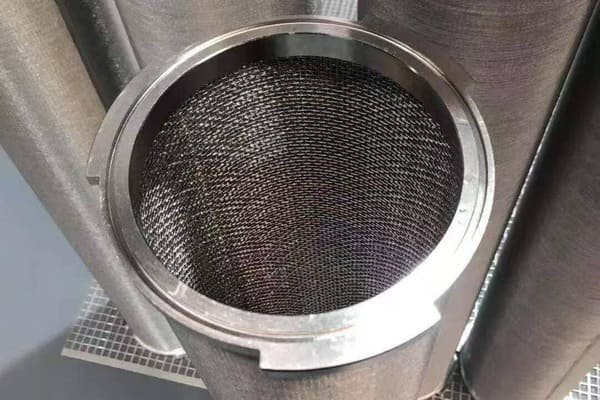
Sintered Wire Mesh
A rolled multi-layer sintered wire mesh cartridge, 1–200 μm, welded to your drawing — rigid enough to backwash and stable in aperture under differential…
| Filtration rating | 1 – 200 μm |
|---|---|
| Media | Multi-layer sintered wire mesh |
| Form | Cylinder · cartridge |
Woven Wire Mesh
A rolled woven stainless mesh cartridge for coarser duties, 5–200 μm, welded to your drawing and cleaned rather than discarded — up to 600…
| Filtration rating | 5 – 200 μm |
|---|---|
| Media | Woven metal wire mesh, woven in house |
| Form | Cylinder · cartridge |
Sintered Metal Felt
A flat sintered metal fiber felt disc rated 0.5–50 μm for stacked disc packs — washed and returned to service, in stainless, titanium and…
| Filtration rating | 0.5 – 50 μm |
|---|---|
| Media | Sintered metal fiber felt |
| Form | Disc · disc stack |
The Quote
Seven inputs settle the medium, the rating and the alloy. Send what you have and an engineer confirms the rest.
Industries
The rest of the twelve, each with its own systems, filter positions and medium.
Temperature, the medium and what is in it, the pressure, the flow and the alloy you run today are enough to start. An engineer names the medium, sets the rating, and says where the duty exceeds what we build. If you already have a drawing or an OEM number, send that instead: it is the faster route to a quote.
Drawing review 3–5 working days · Samples ship in 20–30 days · Production runs 30–60 days